I was having a conversation with a learned individual @melusi on some Marketing piece I came across. It took us a bit of time to actually figure out that particular piece but, once we identified one piece that started the discovery ripple effect with a bit of cross referencing here and there.
This was a fun exercise for us and we identified other possible strategic approaches which could have made it a bit easier for those outside of our discipline to figure out because at the end of the day, they are the ones to convert.
Within this conversation, what stuck out was whilst we were trying to find the first/pillar puzzle piece, he uttered that the communication cycle was not considered to which I agreed with and added that, we all will be stuck at the decoding phase but, as stated, we managed to “crack the code”.
Why?
Why am I sharing this with you… Well, I wanted to remind us as marketing and communication strategists to consider one of the important communication principles when representing brands out there.
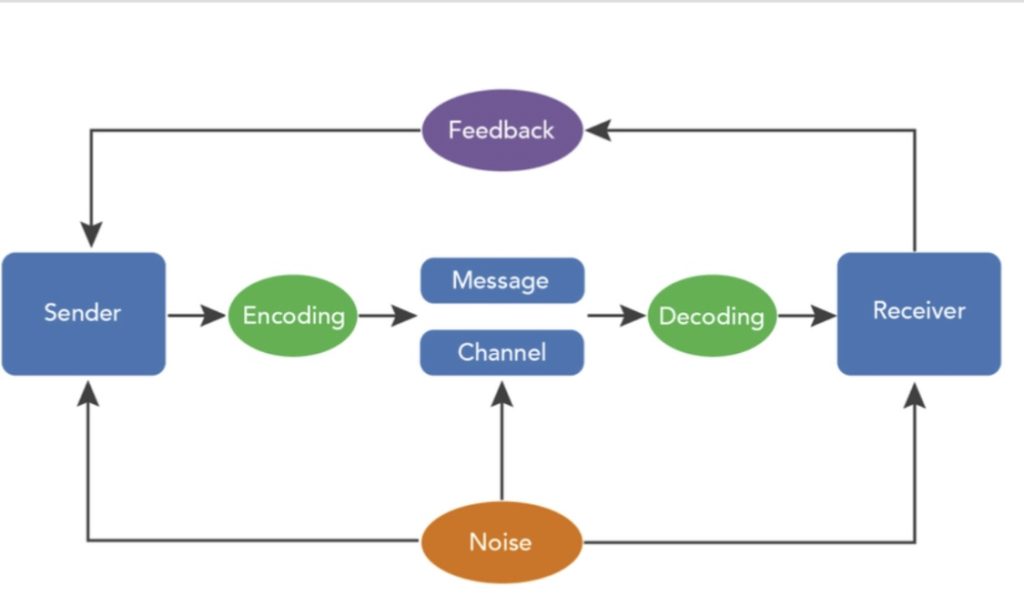
As a refresher, here’s the cycle:
The cycle typically involves several key stages such as encoding, message transmission, decoding, feedback, and noise.
Let’s expand on this.
Encoding:
The process of converting thoughts and ideas into a message that can be understood by the receiver.
Message transmission:
Sending the encoded message through a chosen channel such as advertising, social media, or public relations.
Decoding:
The interpretation of the message by the receiver, where the success of communication hinges on how accurately the message is understood.
Feedback:
A process that allows for a two-way interaction, enabling the sender to gauge the effectiveness of the message and make necessary adjustments.
Noise:
Any interference or distortion during the communication process that may hinder the accurate transmission and reception of the message.
By considering each stage of the communication cycle and addressing potential barriers like noise, marketers can enhance the effectiveness of their messaging and improve brand engagement.
Image: researchgate