Categories
Uncategorized

The pillars of being an effective marketer within the current marketing landscape

The current landscape for Marketers is one that is very exciting due to the digital acceleration, industry shifts, as well as consumer preferences from brands.

Amidst the excitement, how can one continue to excel as a marketer?

Here are some insights shared by the Futurescale Podcast guests on being an effective marketer:

Embracing your unique strengths as a marketer.

Embracing one’s unique strengths as a marketer is essential to standing out in a crowded field. With that, each marketer brings a different set of skills, experiences, and perspectives to the table, and it is in embracing these differences that true innovation and creativity can flourish.

Continuous learning and relying on research.

Research serves as a foundation for making informed decisions and developing innovative solutions. Embracing lifelong learning and staying engaged with research enhances one’s understanding of the world around us

Maintaining an open mind and integrating marketing into all aspects of life.

Viewing everyday interactions as potential marketing opportunities allows one to connect with others authentically and share valuable insights. Ultimately, this holistic approach to marketing can enrich both one’s personal and professional life, fostering creativity and innovation along the way.

Being adaptable and vocal.

Adaptability allows one to embrace change and respond effectively to new challenges, while being vocal enables clear communication and the ability to express ideas and opinions.

Viewing artificial intelligence as a collaborative tool rather than a competitor.

Embracing AI as a complement to human capabilities allows the ability to leverage its strengths in data processing, pattern recognition, and automation, while one focuses on creativity, empathy, and complex problem-solving.

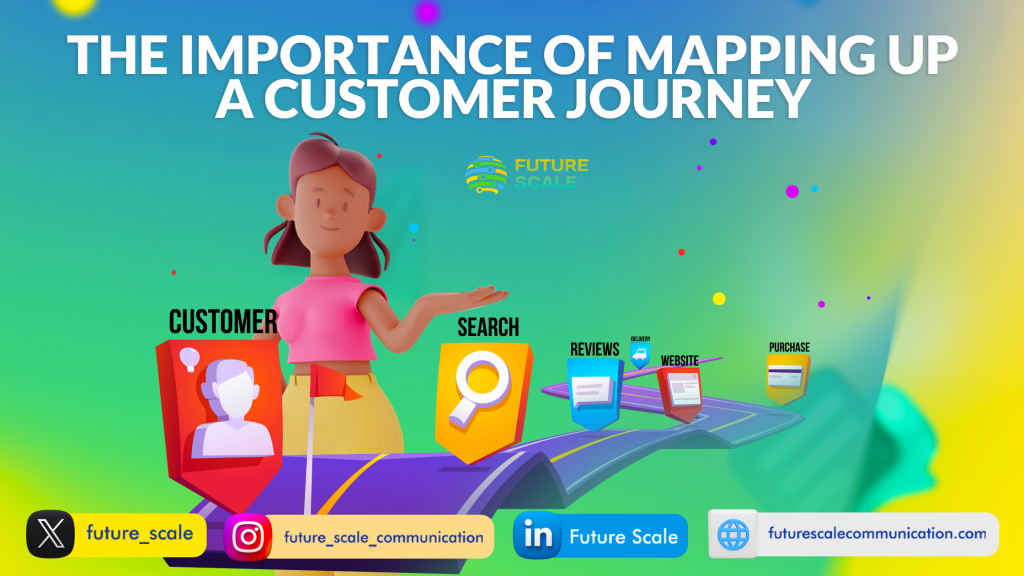
Crafting customer experiences that engage and retain them, focusing on a well-crafted customer journey.

It’s essential to create seamless and memorable interactions at every touchpoint, from the first point of contact to post-purchase follow-ups. By understanding the needs and preferences of your customers, you can tailor each step of their journey to provide value and build lasting relationships. Incorporating feedback loops and personalisation can help refine the customer experience, ensuring that every interaction leaves a positive impression.

Developing innovative solutions for existing challenges.

By fostering a creative mindset and being open to trying new approaches, one can unlock a world of possibilities and find unique ways to address problems.

Implementing design thinking.

Implementing design thinking involves a creative and user-centred approach to problem-solving. It starts with empathising with the end-users to truly understand their needs and challenges. Next, defining the problem clearly based on insights gathered.

Prioritising strategies that benefit clients over following fleeting trends.

In a world where trends come and go, the value of putting clients first remains a timeless and invaluable strategy for businesses aiming to thrive and make a positive impact.

To thrive as a marketer in today’s ever-changing environment, it’s crucial to grasp these core principles shared by industry experts.

Prioritise innovation-driven problem-solving, adopt design thinking approaches, and always concentrate on strategies that deliver enduring value to your clients rather than following short-lived trends.

By embodying these principles, you will not only thrive in marketing but, also contribute significantly to shaping the future of the industry.

Categories
Uncategorized

Generation Z and the brands they choose to work for.

Gen Z, often referred to as digital natives, holds significant relevance for brands worldwide due to various compelling factors. In an article penned by Francis & Hoefel, this generation is characterised by a quest for authenticity, a strong emphasis on individual expression while eschewing labels, and an inclination towards advocating for diverse causes. They place great faith in dialogue as a means to resolve conflicts and instigate positive change. Furthermore, Gen Z exhibits a highly analytical and pragmatic approach to decision-making and engagement with institutions.

Notably, they wield considerable purchasing power and possess a substantial influence, particularly within the digital realm. Their core values of authenticity, sustainability, and social responsibility significantly influence their collaborative decisions, urging brands to adapt and evolve to meet these discerning demands. By comprehending and engaging with Gen Z on the basis of their priorities such as accessibility, freedom of expression, ethical and empathetic behaviour, sustainability, diversity, equity, work-life balance, career advancement, and integrity, brands can cultivate enduring relationships and position themselves as sought-after employers.

Extensive research has yielded noteworthy insights on these guiding principles:

Authenticity and Ethics: According to an EY report, Gen Z places less emphasis on financial gain in their professional pursuits, leaning more towards seeking roles where their contributions are valued and can make a meaningful impact on society.

Freedom of Expression within Organisations and for Customers: Facilitating an environment that fosters self-expression is crucial, evident in the adoption of candidate-centric recruitment practices like video interviews and providing applicants with diverse mediums to showcase their strengths and personalities through video submissions, written content, or links to personal blogs or social channels. Prioritizing openness and employee well-being is paramount, with employer brands that genuinely address cultural issues and actively solicit and respond to employee feedback standing out to Gen Z.

Access to Information and Career Growth: Encouraging the sharing of information and knowledge in a collaborative and empathetic manner is pivotal for career advancement, considering the vast amount of information readily accessible to Gen Z at their fingertips.

Diversity and Equity: Purpose-driven brands resonate deeply with Gen Z as they transcend mere product sales, aligning their mission and values with those of their target audience. These brands actively contribute to social and environmental causes, positioning themselves as agents of change. By supporting such brands, Gen Z feels empowered to effect positive change in the world.

Work-Life Balance: Gen Z views work and personal life as interconnected, thus valuing the flexibility and benefits that come with working in adaptable hybrid environments within specific organisations.

In the current dynamic business environment, it is imperative for brands to acknowledge and embrace the core principles and inclinations of Generation Z to maintain relevance and competitiveness. By adhering to these values, brands can effectively attract and retain Gen Z talent, ensuring a continuous influx of skilled workforce. Neglecting to do so may lead to a disconnection with the upcoming generation of consumers and employees, potentially jeopardising the brand’s longevity and prosperity. Embracing change and adapting to meet the evolving needs of Generation Z will be pivotal for businesses seeking sustained success in the future.

Categories
Uncategorized

The importance of the communication cycle within the marketing and communication field

I was having a conversation with a learned individual @melusi on some Marketing piece I came across. It took us a bit of time to actually figure out that particular piece but, once we identified one piece that started the discovery ripple effect with a bit of cross referencing here and there.

This was a fun exercise for us and we identified other possible strategic approaches which could have made it a bit easier for those outside of our discipline to figure out because at the end of the day, they are the ones to convert.

Within this conversation, what stuck out was whilst we were trying to find the first/pillar puzzle piece, he uttered that the communication cycle was not considered to which I agreed with and added that, we all will be stuck at the decoding phase but, as stated, we managed to “crack the code”.

Why?

Why am I sharing this with you… Well, I wanted to remind us as marketing and communication strategists to consider one of the important communication principles when representing brands out there.

As a refresher, here’s the cycle:

The cycle typically involves several key stages such as encoding, message transmission, decoding, feedback, and noise.

Let’s expand on this.

Encoding:

The process of converting thoughts and ideas into a message that can be understood by the receiver.

Message transmission:

Sending the encoded message through a chosen channel such as advertising, social media, or public relations.

Decoding:

The interpretation of the message by the receiver, where the success of communication hinges on how accurately the message is understood.

Feedback:

A process that allows for a two-way interaction, enabling the sender to gauge the effectiveness of the message and make necessary adjustments.

Noise:

Any interference or distortion during the communication process that may hinder the accurate transmission and reception of the message.

By considering each stage of the communication cycle and addressing potential barriers like noise, marketers can enhance the effectiveness of their messaging and improve brand engagement.

Image: researchgate

Categories
Uncategorized

The psychology of winning. A marketing analysis of the Bafana Bafana supporter turn around.

The psychology of winning. A marketing analysis of the Bafana Bafana supporter turn around.

Background

As with some, I have not been invested in the Bafana Bafana games – I know… absolute blasphemy!!! But, hear me out, I am at this point because my interest has waned over the years – that “I’ve lost my passion, it’s not you but me situation”.

I will have you know that, I was a stonch football fan when younger- greater influence was because I grew up playing with boys who immersed me into a group that rode bikes, fast, played tons of soccer on the dusty grounds with metal or two brick goal post and would literally hunt for either birds or “dimbiba” to braai them with the help of my late uncle when our hunger pangs where unbearable. I also got a watch made from saliva and soil – still have the mark to show for it on the back of my hand ( had to share).

The Awareness

Over the past weeks, I’ve noted that, when the soccer tournament started there was little to no excitement about our team (general observation on all platforms) because we expected that they would lose – creatures of habits.

I sit here with interest as this narrative has now changed after the two wins – we even got a last minute request for the kids to be brought to school wearing a “Bafana Bafana” shirt.

The recommendation

So, I looked at this change of heart in two ways which are Marketing and personal perspective:

From a personal perspective, I continue to learn that people always want to be associated with winners. Should you not be of significance, you become a nonfactor and only your parents, siblings and a handful of friends and or coach will think otherwise. So “Charley”, in life you gotta be a winner so, people can wear T-shirts with your name on them and excitedly cheer for you until you lose.

From a Marketing perspective, this is also an insight for big and upcoming brands. Customer loyalty is fleeting unless you understand their psychology and what serves them. You lose = You lose and You win = You win.

Dropping the mic

A late congratulations to “Bafana, the boys” from me. Wishing you another win on Wednesday so, more people can buy your jersey, start meeting at pubs/swanky drink spots, singing together in your name.